Counterfeit Money Australia: Enterprise Risk, Polymer Science & Detection Equipment
APM Risk Analyst Group
Financial Security & Intelligence
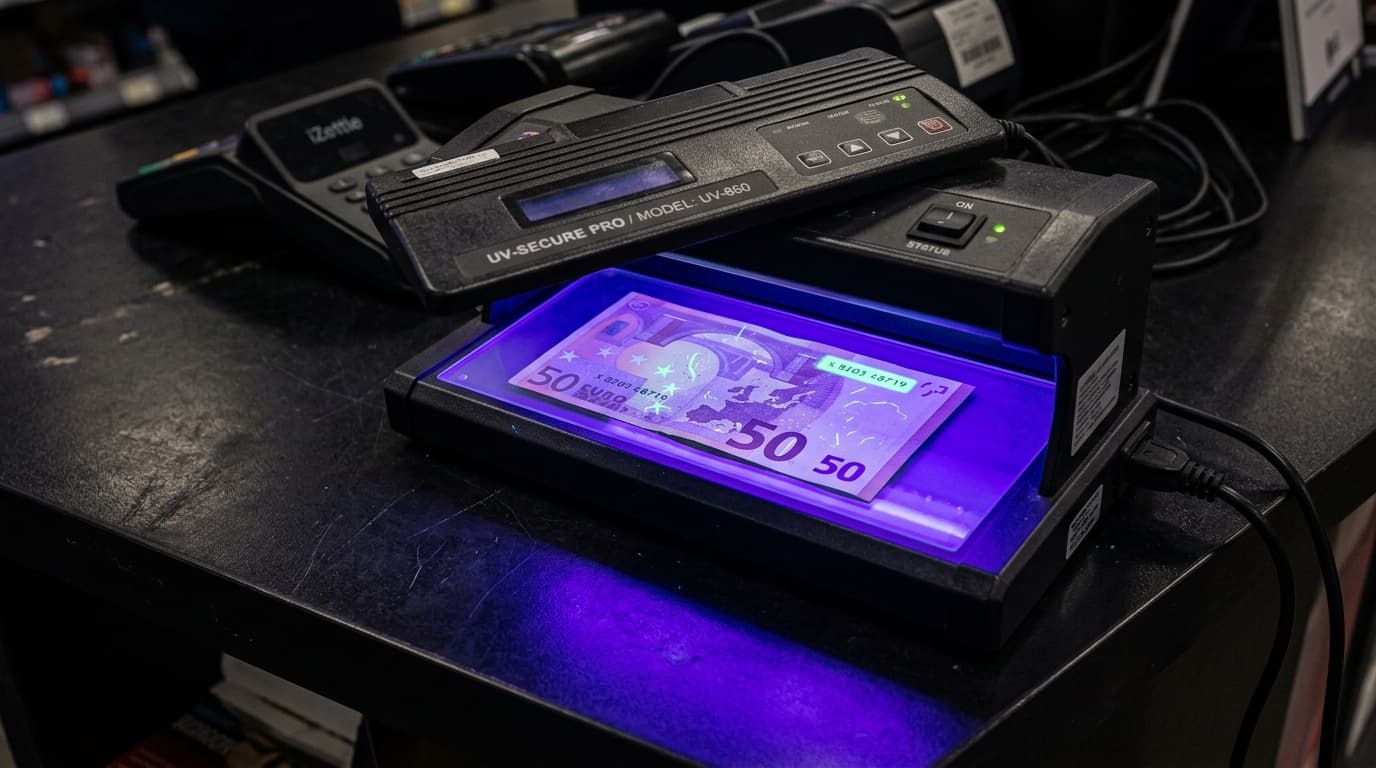
Ultraviolet scanners and multi-sensor validation units expose embedded fluorescent signatures on counterfeit notes in high-traffic retail registers.
Counterfeit money in Australia is not just a criminal problem, it is a strategic risk for retail corporations and financial teams that manage large cash flows daily. Effective risk management requires a clear understanding of the modern currency fraud landscape, the scientific engineering behind polymer banknotes, the capabilities of advanced detection equipment, and the compliance and penalty framework under Australian law.
Inside This Risk Analysis
The Modern Threat Landscape Of Currency Fraud In Australia
Australian cash use has changed in recent years, yet counterfeit activity remains a serious and evolving threat, especially for large retailers and financial operations.
Current Trends And Concentration of Counterfeiting
Analysis by the Reserve Bank of Australia (RBA) shows that banknote counterfeiting in Australia tends to be geographically concentrated in major urban areas, particularly Victoria and New South Wales, which together account for most counterfeit detections.
Recent reporting from the Australian Border Force (ABF) indicates a marked increase in counterfeit cash seizures, with data showing about a sevenfold rise in seized counterfeit currency in the first six weeks of 2026 compared with the same period in the previous year.
In those initial weeks, Border Force detected 57 packages containing more than $190,000 Australian Dollars in counterfeit bills, primarily arriving from Asian sources. This illustrates how global supply chains and international parcel networks can become delivery channels for sophisticated fake notes targeting Australian businesses.
Technology and the Quality of Modern Counterfeits
Officials at the Reserve Bank highlight that advances in technology, including high-precision 3D printing and improved graphics software, have made it easier for counterfeiters to imitate certain security features of polymer banknotes.
Many counterfeit notes now circulating in Australia are marked with terms such as "prop money" or "novelty notes", yet they closely resemble genuine currency in size, colours, and layout. The Reserve Bank has made it clear that any prop cash that mimics Australian banknotes in these respects falls under the legal definition of counterfeit money.
For retail corporations, this means that counterfeit risk is no longer limited to crude, easily identifiable paper copies. Teams must prepare for high-quality polymer forgeries that can pass quick visual checks if staff are not thoroughly trained and supported by technology.
Scientific Engineering Behind Australian Polymer Banknotes
Australian banknotes are printed on polymer, a specialised plastic substrate originally developed in Australia to make currency more difficult to counterfeit and more durable in circulation. Understanding the engineering of these notes helps risk managers design effective detection protocols and equipment strategies.
From a scientific perspective, polymer banknotes incorporate:
- Transparent Base Film: A non-fibrous substrate that supports complex multi-layer printing and entirely integrated windows.
- Intaglio Raised Print: Thick, textured inks applied under high pressure to create tactile patterns on portraits and numerals.
- Optically Variable Devices: Dynamic security foils, rolling colour patches, and reversing numerals in clear panes that block digital copy-scanner replication.
Engineering Case Study: Security Features Overview
| Feature | Physical Principle | Counterfeit Resistance Insight |
|---|---|---|
| Polymer substrate | Flexible plastic film with controlled tear resistance and surface memory properties. | Most counterfeits use paper, which tears easily and stays crumpled when scrunched. |
| Clear window | Transparent regions integrated into the substrate with embedded light-diffracting patterns. | Difficult to create as part of the note; counterfeiters often glue film inserts which are thick and uneven. |
| Rolling colour effect | Optically variable ink (OVI) causing distinct colour shift under tilt angles. | Requires high-precision ink mixtures; domestic color copiers produce flat, static images. |
| Three-dimensional image | Optical microstructures that change perceived depth with viewing angle changes. | Complex to design and emboss at scale; cheap printing produces flat replicas. |
| Flying & colourful bird | Multi-layer printing and optical design aligned on both sides of a clear pane. | Movement and wing-shifting effects are impossible to replicate with simple 2D printers. |
| Intaglio print | Thick ink applied under immense pressure to create raised dark lines on portraits. | Standard inkjets or lasers cannot create textured, tactile ridges. |
Advanced Counterfeit Detection Equipment For Corporate Environments
While human training is essential, large-scale retail and financial operations gain a massive advantage by deploying advanced detection equipment to supplement manual checks.
Key Technologies in Professional Scanners
Modern security hardware implements a multi-layer strategy to screen banknotes in milliseconds:
- Ultraviolet Fluorescent Detection: Reveals specific RBA fluorescent elements (such as birds, year of print, and serial numbers) that glow only under strict UV light.
- Magnetic Ink Sensors: Checks the magnetic properties of key portrait inks, a standard feature of legal tender.
- Infrared Pattern Analysis: Captures structural ink features completely invisible to the human eye, verifying paper-plastic density patterns.
Equipment Options & Recommended Corporate Use Cases
| Equipment Type | Key Capabilities | Best Suited Environments |
|---|---|---|
| Manual Ultraviolet Lamp | Reveals UV fluorescent features on notes and corporate documents. | Low to medium volume registers where staff physically verify suspect bills. |
| Portable UV Detector | Battery-powered, compact unit with strong UV output for rapid mobile inspections. | Event ticketing, pop-up stores, and mobile retail networks. |
| Automatic Banknote Detector | Combines UV, magnetic, and infrared sensors with automated pass/fail results. | High-volume registers, supermarkets, and luxury retail counters. |
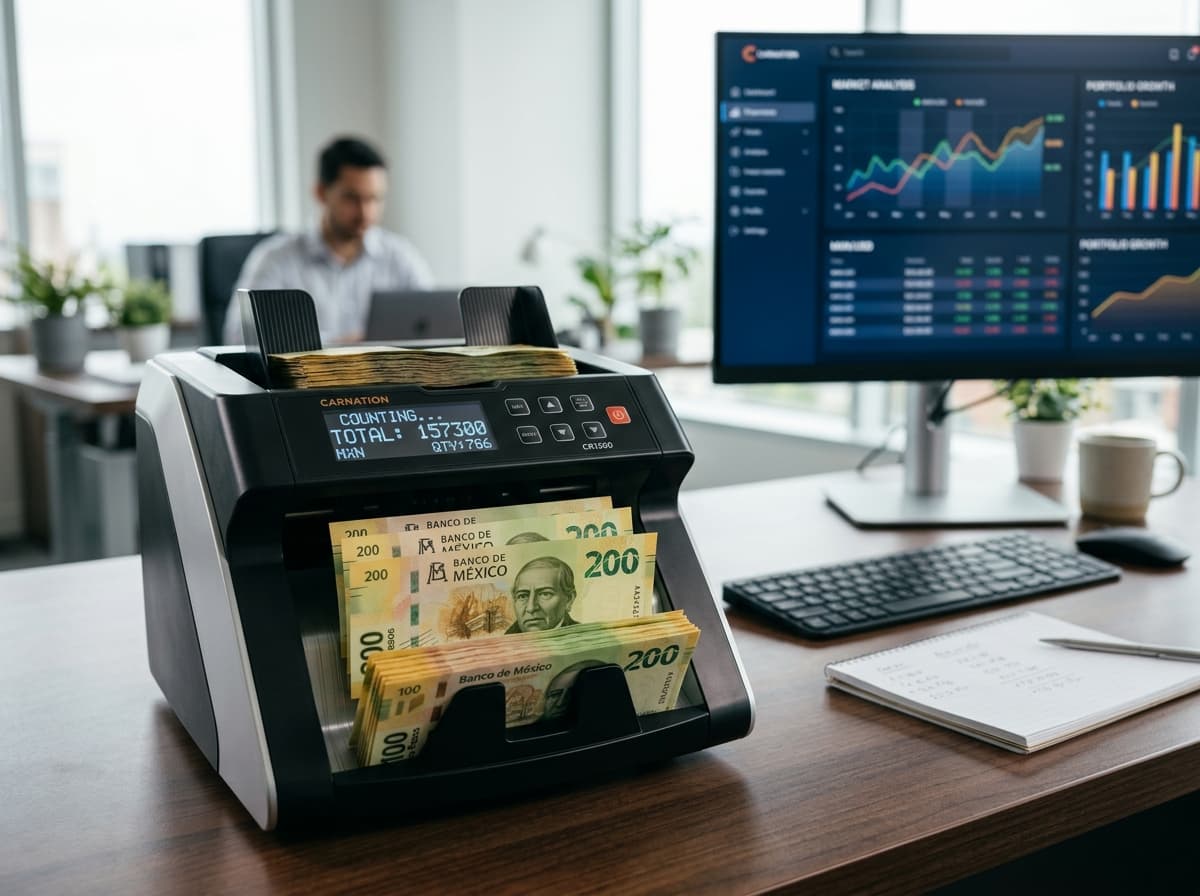
| Integrated Note Counters with Detection | High-speed counting combined with multi-sensor counterfeit checks. | Back-office cash rooms, banks, and major treasury operations. |
Business Compliance Laws And Risk Management Obligations
Retail corporations and financial teams operating in Australia must manage counterfeit risk within a defined legal and regulatory framework. While specific obligations vary by sector, several overarching themes emerge:
- Preserving Physical Evidence: RBA and AFP guidelines instruct businesses to store suspect banknotes securely (using protective envelopes) to protect fingerprints and forensic trace evidence.
- Refusal to Accept: Shopkeepers have the absolute legal right to refuse notes they suspect are counterfeit and request alternative payment.
- Replica Restrictions: Businesses are strictly prohibited from manufacturing or possessing replica play banknotes that look identical or nearly identical in color, size, and layout to genuine Australian tender.
Federal Penalties Under The Criminal Code Act And Related Laws
The legal consequences for involvement with counterfeit money in Australia are significant and relevant to both individuals and corporations. Under the Crimes (Currency) Act 1981 and the Criminal Code Act 1995, penalties are severe:
Federal Legal Exposure & Corporate Penalties
1. Banknote Forgery: Producing, manufacturing, or printing fake banknotes carries a maximum penalty of 14 years imprisonment.
2. Knowingly Passing Counterfeits: Spending or passing a note you suspect is counterfeit constitutes a major fraud offense, exposing individuals to heavy custodial sentences and massive corporate fines.
3. Possession of Realistic Replicas: Possessing play money or props that mimic legal tender is treated as a criminal offense if the replicas are not highly distinguished from real Australian tender.
Legal Exposure Summary for Corporations
| Risk Area | Potential Legal Consequence | Corporate Mitigation Approach |
|---|---|---|
| Manufacturing or Distribution | Up to 14 years imprisonment & heavy corporate liability. | Strict prohibition policies, vendor audits, and secure print operations. |
| Knowingly Passing Counterfeits | Substantial prison terms, criminal fraud charges, and severe reputational damage. | Staff training, mandatory "Store It, Note It, Report It" escalation. |
| Possession of Realistic Replicas | Treated as counterfeit currency; seizure of assets and legal prosecution. | Never use realistic play banknotes for marketing or store props. Use non-currency designs. |
| Failure to Report Incidents | Regulatory scrutiny, safety audits, and potential charges for corporate negligence. | Build an integrated incident reporting channel with local police stations. |
Structured Risk Management Approach For Retail And Financial Teams
To manage counterfeit money risk effectively, corporations should adopt a multidimensional strategy that combines technology, training, policy, and direct engagement with law enforcement.
Practical Counterfeit Risk Management Checklist
| Program Element | Key Questions | Recommended Corporate Action |
|---|---|---|
| Policy & Governance | Do we have a formal counterfeit risk policy approved by board directors? | Draft policies that strictly align with RBA and AFP compliance guidelines. |
| Training & Culture | Are register cash workers confident in checking polymer substrate features? | Incorporate mandatory tactile (Feel-Look-Tilt) and device verification training. |
| Detection Technology | Are our retail cash desks equipped with UV or electronic sensor validators? | Deploy automated scanners at high-volume lanes and maintain strict device calibrations. |
| Incident Handling | Is there an established protocol to log incident details and notify authorities? | Implement the Store It, Note It, Report It procedure across all stores. |
| External Monitoring | Do we track geographic counterfeit trends and RBA updates? | Subscribe to central bank threat bulletins to adjust register screening priorities. |
Conclusion
Counterfeit money in Australia represents a complex risk environment shaped by advances in technology, concentrated geographic activity, and increasingly sophisticated imported forgeries. Protecting cash-based operations requires retail and financial leaders to translate technical banknote security into daily register resilience. By combining advanced optical and UV detectors, comprehensive training, and robust law enforcement partnerships, Australian corporations can maintain the highest standards of financial security and trust.
Need Cinema-Approved Australian Play Money?
Our professional-grade film props satisfy all federal rules while capturing stunning visual fidelity under 8K. Buy safely directly from Australia's leading press shop.